







Baby Boomer’s Guide to Fitness
Baby Boomer Magazine Series
Muscle Imbalances from
Health Club Workouts
By
Robert Bresloff
Let’s take a look at fitness machines.
Health Clubs usually have one or more machines for every muscle group, making up a circuit that is designed to work the entire body.
Most Health clubs have two each of the machines that work the facilitated muscles (muscles that are commonly stronger in most people) - two pectorals, hamstring and bicep machines.
Why? Because, they are usually the most popular machines in the club and people will complain when they can’t get on them.
Exercisers work most what they can see (which leads me to question why people are constantly pounding away at their poor hammies).
If you continue to work already facilitated (naturally stronger) muscles, they will only get stronger at the expense of the much weaker opposing muscles.
If an excessive muscle imbalance exists, working on the entire circuit of these machines will only make it worse. If you believe that this is the case, and that an imbalance might exist, I recommend seeing a fitness specialist (be sure to ask for philosophy, education, certification and years of experience) or see a licensed physical therapist.
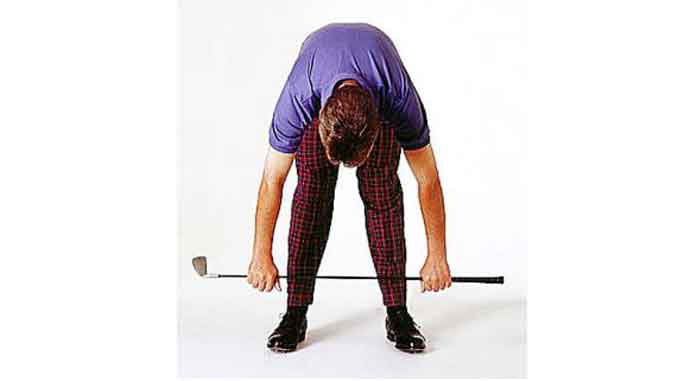
Here are a few things to look for: rounded shoulders (weak back muscles), toes pointing toward two and ten o’clock when you walk (tight piriformis), not being able to lock your knees without great difficulty or discomfort or constant lower back pain (tight hamstrings).
When you do exercise, try working the neglected muscles: mid-back, tri’s, quads and tibialis (front of lower leg—great for preventing shin-splints). Remember; always err on the side of safety. Start with very light weights progressing slowly until you reach the prescribed rep range of your program.
In conclusion, I’m not saying that working out on machines is bad. What I am trying to illustrate is the fact that muscle imbalances can lead to injury and pain and that’s not what anybody wants.
Robert Bresloff is a Certified Personal Trainer, Fitness Therapist, Adaptive Fitness Specialist, a Specialist in Fitness for Older Adults and Endurance Trainer with The International Sports Sciences Association. He owned and operated, Total Fitness Concepts Inc for 10 years. He has written for Masters Athlete Magazine, The Waukegan News Sun and trade e magazines and recently released his first fitness book, 'The Baby Boomer's Guide to Fitness"
Buy 'The Baby Boomer's Guide to Fitness' here
JUST FOR BABY BOOMERS: Share your experiences, remembrances and opinions about "The Baby Boomer’s Guide to Fitness by Robert Bresloff" with other Baby Boomers on our "Baby Boomer Forum"